
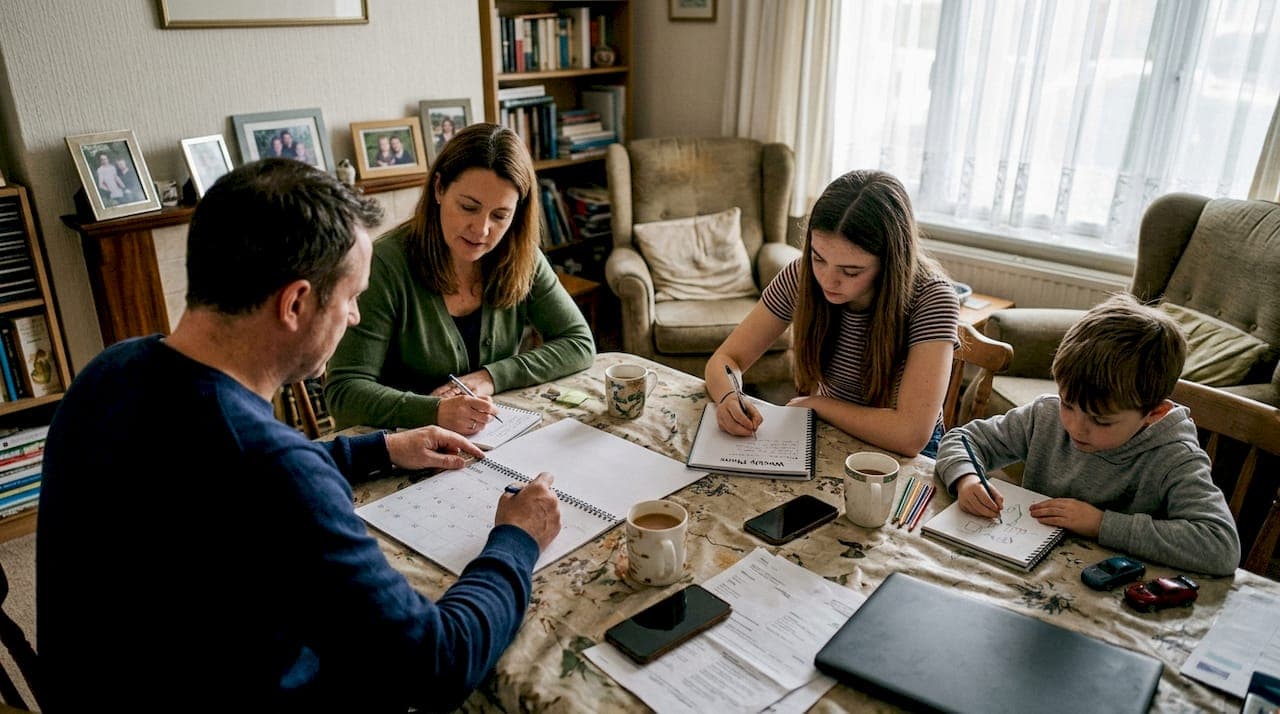
Managing personalised home support for your family in Greater London can feel overwhelming when you're juggling multiple tasks, coordinating carers, and adapting to changing needs. Many families struggle to organise tailored assistance effectively, leading to missed appointments, communication breakdowns, and increased stress. A structured workflow transforms this chaos into a manageable system that improves daily routines and care outcomes. This guide walks you through practical steps to assess your needs, prepare comprehensive plans, execute daily tasks smoothly, and monitor progress continuously. You'll discover how person-centred approaches, consistent communication, and simple technology can make home support work seamlessly for your household.
Table of Contents
- Key takeaways
- Understanding your home support needs
- Preparing your home support plan
- Executing and managing daily home support tasks
- Monitoring, reviewing, and adapting your home support
- Discover personalised home support services in London
- Frequently asked questions about home support workflow for families
Key Takeaways
| Point | Details |
|---|---|
| Person centred care | Involve the person receiving care and their family to tailor plans that reflect real preferences. |
| Assess needs comprehensively | Start by mapping who lives at home and listing physical, emotional and practical requirements to guide the plan. |
| Clear measurable goals | Establish concrete targets so progress can be tracked and plans adjusted as needed. |
| Consistent carer involvement | Ensure carers are consistently available and key contacts are clear to prevent missed appointments. |
| Regular monitoring and adjustment | Review outcomes regularly and revise the plan to fit changing family needs. |
Understanding your home support needs
Before creating any workflow, you must identify precisely what your household requires. Every family's situation differs, from supporting elderly relatives with complex health conditions to helping busy parents manage daily routines. Start by mapping out who lives in your home, their physical and emotional needs, and which tasks create the most stress or risk. Consider personal care requirements like bathing and dressing, household chores such as cleaning and laundry, and social needs including companionship and community engagement.
The person-centred care approach emphasises involving everyone affected by support decisions. Gather input from the person receiving care, family members, and any existing health professionals. This co-production method ensures plans reflect real preferences rather than generic solutions. When families actively participate in designing their support, satisfaction increases and carers can deliver truly tailored assistance.
Integrating health and social care services creates holistic support that addresses medical needs alongside daily living tasks. If your family member has diabetes, for example, your plan should coordinate medication management, dietary support, and regular health monitoring. Professional home help services in London specialise in this integrated approach, matching carers to your specific requirements.
Common tasks covered by home support include:
- Personal care such as washing, dressing, and mobility assistance
- Household management including cleaning, laundry, and meal preparation
- Administrative support like appointment scheduling and bill payment
- Companionship and social engagement to reduce isolation
- Health-related tasks such as medication reminders and wellbeing checks
- Errands including shopping, post collection, and transport coordination
Pro Tip: Create a week-long diary tracking when tasks occur, who completes them, and any difficulties encountered. This baseline reveals patterns and priorities you might otherwise miss.
Assessing needs thoroughly at the start prevents costly adjustments later. You'll understand which tasks require professional training, which family members can manage, and where technology might help. This clarity forms the foundation for an effective workflow that genuinely eases daily living.
Preparing your home support plan
With needs assessed, transform insights into an actionable plan. Begin by establishing clear, measurable goals. Instead of vague aims like "improve quality of life," specify outcomes such as "ensure medication taken correctly three times daily" or "complete weekly shopping without family stress." Concrete targets let you track progress and adjust support as needed.

Prioritise tasks by urgency and impact. Personal care and medication management typically rank highest, followed by household safety tasks like cleaning hazards or preparing meals. Social engagement, whilst vital for wellbeing, might schedule around these essentials. Tailoring support plans to your family's unique rhythm ensures carers focus energy where it matters most.
Matching carers to your preferences dramatically improves outcomes. Some families prefer quiet, efficient assistance; others value chatty companionship. Consider language needs, cultural understanding, and personality compatibility. Consistent carers build trust and familiarity, making daily routines smoother and reducing anxiety for everyone involved. Research shows that addressing carer needs prevents burnout, which directly impacts service quality.
Follow these steps to build your plan:
- List all required tasks with frequency and duration estimates
- Assign each task to family, professional carers, or technology solutions
- Create a weekly schedule showing when each task occurs and who's responsible
- Establish primary and backup carers for every critical task
- Document emergency contacts, medical information, and special instructions
- Set up communication channels for daily updates and urgent situations
- Schedule regular review dates to assess and adjust the plan
Emergency protocols deserve special attention. What happens if your regular carer falls ill? Who covers weekend emergencies? Document backup contacts, nearest hospitals, and critical medical information in an accessible location. Share this with all carers and family members involved in support delivery.
Pro Tip: Schedule regular breaks for family carers, even if you feel everything's manageable. Burnout creeps up gradually, and prevention costs far less than crisis intervention. Book respite care or ask friends to cover a few hours weekly, giving primary carers genuine rest.
Communication channels must be simple and reliable. A shared digital calendar works for tech-savvy families, whilst a physical logbook suits others. Choose what everyone can use consistently. The goal is seamless information flow about completed tasks, concerns, and changes without endless phone calls or confusion.
Executing and managing daily home support tasks
Implementation separates good plans from effective ones. Start each day with a brief coordination check. Review the schedule, confirm carer availability, and note any changes to routines or needs. This five-minute habit prevents miscommunication that derails entire days.
Technology enhances safety and reliability when used thoughtfully. Medication dispensers and alarms improve support quality by providing timely reminders and tracking adherence. Fall detection devices alert carers to emergencies, whilst GPS trackers offer peace of mind for families supporting someone with dementia. Choose technology that solves specific problems rather than adding complexity.
Maintaining clear communication among family, carers, and health providers requires designated channels for different purposes. Use a logbook or app for routine updates like task completion and observations. Reserve phone calls for urgent matters or questions needing immediate answers. Schedule regular check-ins with health professionals to share progress and concerns systematically.
| Task category | Responsible person | Tools and methods |
|---|---|---|
| Personal care | Professional carer | Care plan, dignity protocols, mobility aids |
| Medication management | Carer with family oversight | Dosette box, reminder alarms, tracking log |
| Household cleaning | Carer or family | Cleaning schedule, safety equipment, checklists |
| Meal preparation | Carer or family | Dietary guidelines, recipes, shopping list |
| Social engagement | Carer and family | Activity calendar, transport arrangements |
| Health monitoring | Carer with nurse liaison | Vital signs log, symptom diary, appointment schedule |
Common pitfalls include assuming everyone knows the plan without clear documentation, relying on memory for medication schedules, and failing to update carers about changing needs. Avoid these by maintaining written records, using visual aids like charts and checklists, and holding brief daily briefings.
Pro Tip: Set recurring reminders on your phone for weekly tasks that easily slip through cracks, such as ordering prescriptions or checking in with isolated family members. Automation removes the mental load of remembering everything yourself.
When conflicts arise between family preferences and practical constraints, revisit your priorities. Perhaps reducing cleaning frequency frees time for companionship that matters more to your loved one. Flexibility within structure keeps support person-centred whilst maintaining essential routines. Professional home help coordination services navigate these trade-offs daily, offering experienced guidance when you feel stuck.
Monitoring, reviewing, and adapting your home support
Even excellent plans require regular evaluation. Schedule quarterly reviews involving the person receiving care, family members, and key carers. These sessions assess what's working, identify emerging needs, and adjust support accordingly. Waiting until problems become crises costs more time, money, and stress than proactive adaptation.
Compare two approaches: proactive monitoring catches small issues early, allowing gradual adjustments that maintain stability. Reactive crisis management waits until situations deteriorate, forcing expensive emergency interventions and disrupting established routines. Research on high-need household interventions demonstrates that identifying needs early through systematic monitoring improves outcomes significantly.
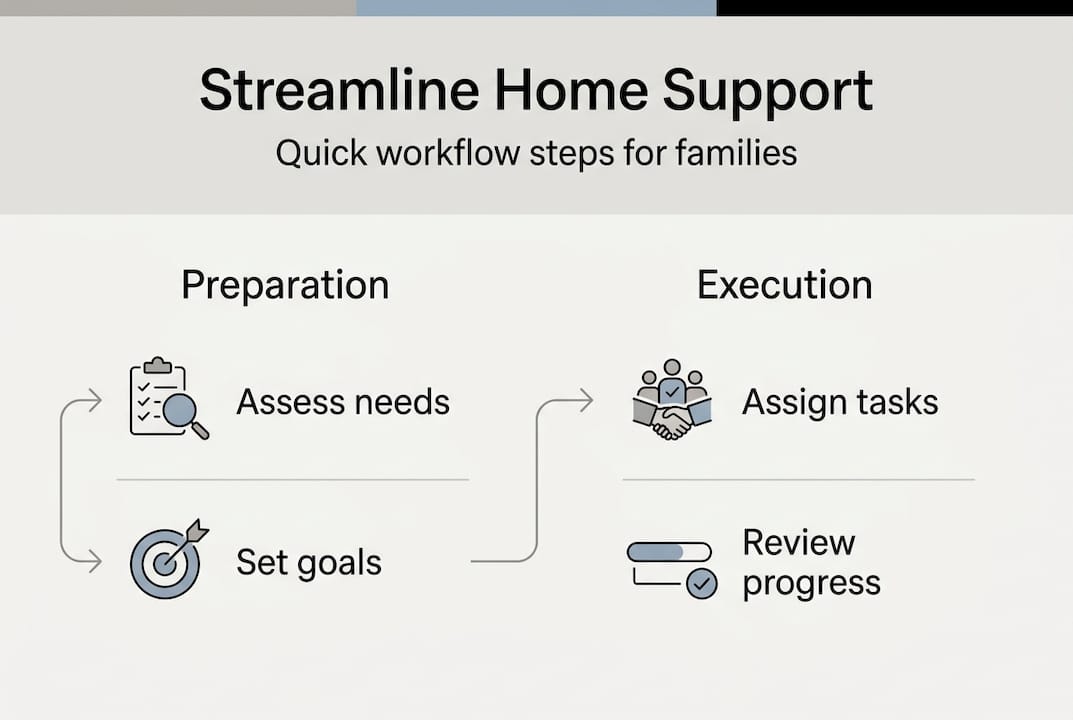
Carer wellbeing directly affects service quality. Monitor for signs of burnout including irritability, reduced patience, or declining task completion. Address concerns immediately through additional support, schedule adjustments, or respite arrangements. When carers feel valued and sustainable in their roles, families receive more consistent, compassionate assistance.
Adjust plans when health conditions change, daily routines shift, or household composition evolves. A family member returning from hospital might need intensive support temporarily. Children growing older might take on more responsibilities, reducing professional carer hours. Stay alert to these transitions and modify workflows accordingly.
Your review checklist should include:
- Task completion rates and any recurring gaps or delays
- Communication effectiveness among all parties involved
- Satisfaction levels for the person receiving care and family members
- Carer wellbeing and any support needs they've expressed
- Technology functioning correctly without causing frustration
- Budget alignment with actual costs and value received
- Emergency protocol testing and any needed updates
- Changing health needs requiring additional or different support
| Review approach | Benefits | Drawbacks |
|---|---|---|
| Monthly informal check-ins | Catches issues quickly, maintains relationships, low time commitment | May miss subtle trends, lacks formal documentation |
| Quarterly structured reviews | Comprehensive assessment, clear documentation, identifies patterns | Less frequent, may delay addressing urgent concerns |
| Annual comprehensive evaluation | Deep analysis, strategic planning, cost-benefit review | Too infrequent for dynamic situations, risks major gaps |
| Continuous monitoring with alerts | Immediate issue detection, data-driven decisions | Requires technology setup, potential information overload |
Balance structure with flexibility by maintaining core routines whilst allowing adjustments for special circumstances. If your loved one feels unwell, shift from planned activities to comfort and monitoring. Document these variations to spot patterns that might indicate deeper changes requiring plan modifications.
Ongoing home support reviews ensure your workflow evolves with your family's needs rather than becoming outdated and ineffective. Treat your plan as a living document that grows and adapts, not a fixed rulebook that ignores reality.
Discover personalised home support services in London
Creating and maintaining an effective home support workflow demands time, expertise, and consistent effort. Many Greater London families find that professional assistance transforms their good intentions into reliable, person-centred care that genuinely improves daily living.

Everyday Ease Lifestyle offers tailored home help services matched precisely to your family's needs and preferences. Our DBS-verified carers bring expertise in personal care, household management, companionship, and wellbeing support. We handle the workflow coordination, carer matching, and ongoing monitoring whilst you focus on what matters most: spending quality time with your loved ones. Whether you need occasional assistance or comprehensive daily support, our flexible pay-as-you-go, weekly, and monthly options adapt to your situation. Discover how professional, trustworthy support designed around your family can ease the challenges of managing home care effectively.
Frequently asked questions about home support workflow for families
What is person-centred care and why is it important?
Person-centred care tailors support to individual preferences, values, and goals rather than applying generic solutions. It involves the person receiving care and their family in all decisions through co-production, ensuring services genuinely meet their needs. This approach improves satisfaction, outcomes, and dignity whilst reducing wasted effort on unwanted assistance.
How often should home support plans be reviewed?
Conduct informal check-ins monthly to catch immediate concerns and formal structured reviews quarterly to assess overall effectiveness. Annual comprehensive evaluations help with strategic planning and budget alignment. Adjust review frequency based on stability; newly established support or changing health conditions warrant more frequent assessment.
What technology can help with home support tasks?
Medication dispensers with alarms ensure timely dosing and track adherence. Shared digital calendars coordinate schedules among family and carers. Fall detection devices and GPS trackers enhance safety for vulnerable individuals. Video calling reduces isolation for those with limited mobility. Choose technology solving specific problems rather than adding unnecessary complexity.
How can families prevent carer burnout?
Schedule regular respite breaks even when everything seems manageable, as burnout develops gradually. Monitor for warning signs like irritability, reduced patience, or declining task completion. Provide emotional support and acknowledge carers' contributions regularly. Ensure workload remains sustainable through realistic scheduling and backup coverage. Professional support services can supplement family efforts during demanding periods.
Who should be involved in creating the home support plan?
Include the person receiving care as the central voice, family members providing or coordinating support, professional carers who'll deliver services, and relevant health providers like GPs or nurses. This co-production approach ensures all perspectives inform the plan, creating comprehensive support that addresses medical, practical, and emotional needs whilst respecting individual preferences and maintaining dignity.